Specialized Oral & Maxillofacial Trauma Care
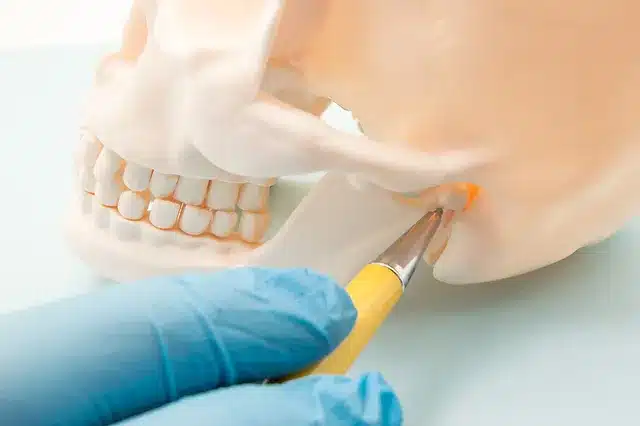
A jaw fracture (mandibular or maxillary fracture) occurs when significant physical blunt force impacts the facial bones, commonly resulting from road traffic accidents, falls, or sports injuries.
Prompt evaluation by an Oral & Maxillofacial Surgeon is essential to stabilize broken bone segments, re-establish your original dental bite (occlusion), and prevent permanent facial deformity or chronic temporomandibular joint (TMJ) dysfunction.
Signs of A Fractured Jaw
- Severe pain and swelling along the lower jaw, chin, or cheekbones.
- Inability to open or close the mouth normally.
- Teeth not coming together properly when attempting to bite (malocclusion).
- Numbness in the lower lip or chin due to nerve compression.
- Loose or displaced teeth with bleeding inside the mouth.
Surgical Fixation Techniques
- Open Reduction and Internal Fixation (ORIF): Using biocompatible titanium miniplates and micro-screws to directly bind bone segments together for immediate stability and early mobility.
- Closed Reduction & Wiring: Intermaxillary fixation (IMF) where wires or elastics support proper alignment during biological bone healing.